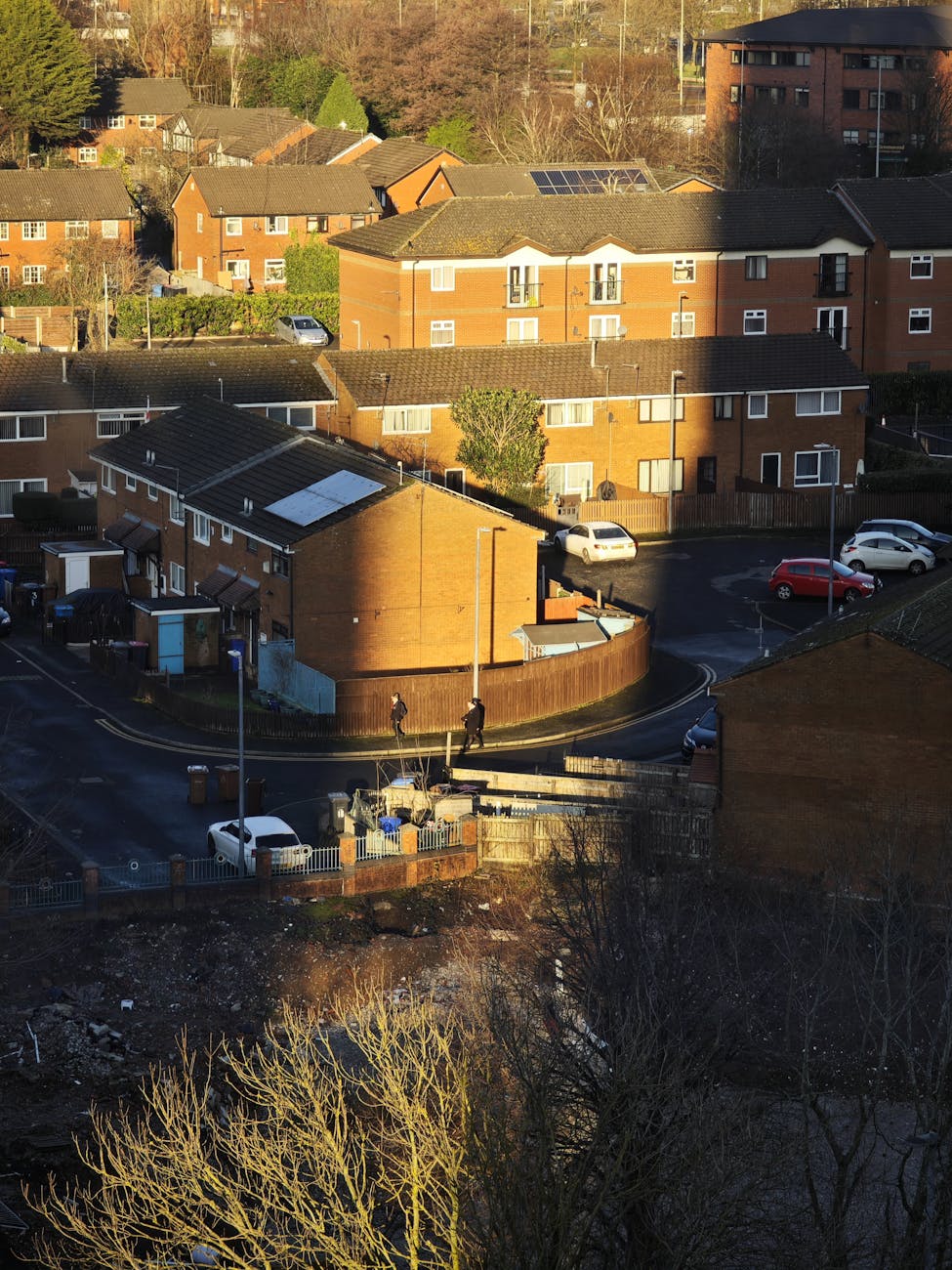
549 homes are earmarked for green belt land east of Chapeltown Road as part of a wider Sheffield Local Plan that would release 327 hectares of protected land across the city; government inspectors are currently consulting on proposed changes, with a final decision and plan adoption expected by July 2026, and community opposition showing no sign of easing.
The road to building on Chapeltown’s green belt has been long, contested, and is now approaching a decisive moment. Government planning inspectors are in the final stages of examining the Sheffield Local Plan, and a public consultation on proposed Main Modifications to that plan closed on 5 May 2026. What follows from that process will determine whether protected green land on the edge of Chapeltown is permanently removed from the green belt and handed over to development.
How it came to this
The Sheffield Local Plan, once adopted, will have legal status and will determine what types of development are allowed in all parts of the city until 2039. Without a Local Plan in force, the council finds it harder to justify rejecting planning applications, and decisions are more easily overturned on appeal.
The council’s original draft plan had set a target of 34,680 homes. Independent government planning inspectors said this fell short of what was required and demanded the council provide plans for 3,529 more homes than its initial target. The council decided that all brownfield sites had been exhausted, and so sites within the green belt were put forward.
At a Full Council meeting on 14 May 2025, 45 councillors supported the proposal to identify 14 green belt sites, 31 opposed it, and 4 abstained.
What is planned for Chapeltown specifically
The site earmarked directly in Chapeltown is land to the east of Chapeltown Road (S35 9ZX), proposed for 549 homes. That is not the only allocation affecting the immediate area. The wider Sheffield Plan proposes building 1,666 new homes and several commercial units on green belt land in the S35 area, including Grenoside, Ecclesfield, Oughtibridge, Wharncliffe Side, and Chapeltown.
Three green belt sites in the Chapeltown area are also earmarked as employment land. These cover 47.35 hectares in total: land bordered by the M1, Thorncliffe Road, Warren Lane, and White Lane at 18.06 hectares; Hesley Wood, north of Cowley Hill, at 13.35 hectares; and land to the south of M1 Junction 35 at Ecclesfield covering 15.94 hectares. Councillors have confirmed that proximity to the M1 was a factor in designating these as employment sites, and that the type of units built would include warehouses.
The Chapeltown sites will require a full Air Quality Assessment, which must show how much of the new housing falls within areas of poor air quality. Homes can only be built in those zones if there are clear regeneration benefits and strong actions are taken to reduce the impact. Developers must also take flood risk into account and retain existing public footpaths; key hedgerows must be preserved to act as wildlife corridors.
At a drop-in session in Chapeltown, councillors confirmed that 30% of homes would be affordable, with most being social housing rentals.
The scale of what is being proposed across Sheffield
The amendments to the green belt boundary proposed across the whole plan would result in 327.45 hectares being removed; 3.6% of the total area of 9,061 hectares. The 14 proposed sites could provide an estimated capacity for 3,948 dwellings and 67.35 hectares of employment land. Eight of the sites would be classified as strategic under the Sheffield Plan, meaning they have capacity for over 200 new homes or are over 4 hectares.
Documents published ahead of council meetings also reveal that nine of the proposed sites include further areas earmarked for “green belt deletion” beyond the housing allocations themselves; a detail that was not publicly discussed at council meetings. One councillor has warned this may open the door to future development beyond what was originally proposed.
Where the process stands now
The timetable set out in the Local Development Scheme shows the Sheffield Plan being adopted by July 2026. The process has involved a public consultation on proposed site allocations from late May to mid-July 2025, public examination hearings in September and October 2025, an inspectors’ preliminary report with recommended Main Modifications in November 2025, and a consultation on those Main Modifications in early 2026.
The council published five documents that inspectors specifically invited comments on as part of the Main Modifications consultation: a schedule of proposed modifications to the Sheffield Plan; an updated Integrated Impact Assessment; an Integrated Impact Assessment addendum focused specifically on the modifications; a Habitats Regulations Assessment update covering impacts on protected wildlife habitats; and a schedule of changes to the policies map, including the green belt boundary changes in S35.
Community opposition
The campaign group Save Chapeltown, Ecclesfield and Grenoside Greenbelt has accumulated 5,000 followers on Facebook and has been active since April 2025. Campaign leader Jo Tunstall said: “We have accepted loads of development in the right places but this green belt land is protected and it should remain that way because otherwise where do you stop?”
Campaigners have submitted a letter described as a “final plea” to abandon the green belt development plans, arguing that just one of the proposed developments in the area alone would effectively create “a new village or small town, without the necessary infrastructure, governance, or services in place to support it.” They have questioned why green belt is being released when brownfield plots remain idle, raised concerns about potential conflicts of interest, and threatened to escalate to the Local Government and Social Care Ombudsman and the Secretary of State if demands are not met.
Campaigners have also launched a city-wide petition, with every signature to be submitted to the inspectors as part of the Sheffield Green Belt Alliance’s response to the consultation. They have described the current consultation as “the last formal opportunity for residents to influence the inspectors before they write their final report.”
Sheffield City Council’s position has been consistent throughout. Jonathan Chubb from Sheffield City Council said: “The plan has been developed over a number of years and examined independently. Even with the greenfield site proposals, more than 96% of Sheffield’s green belt would remain protected.”
Tags: