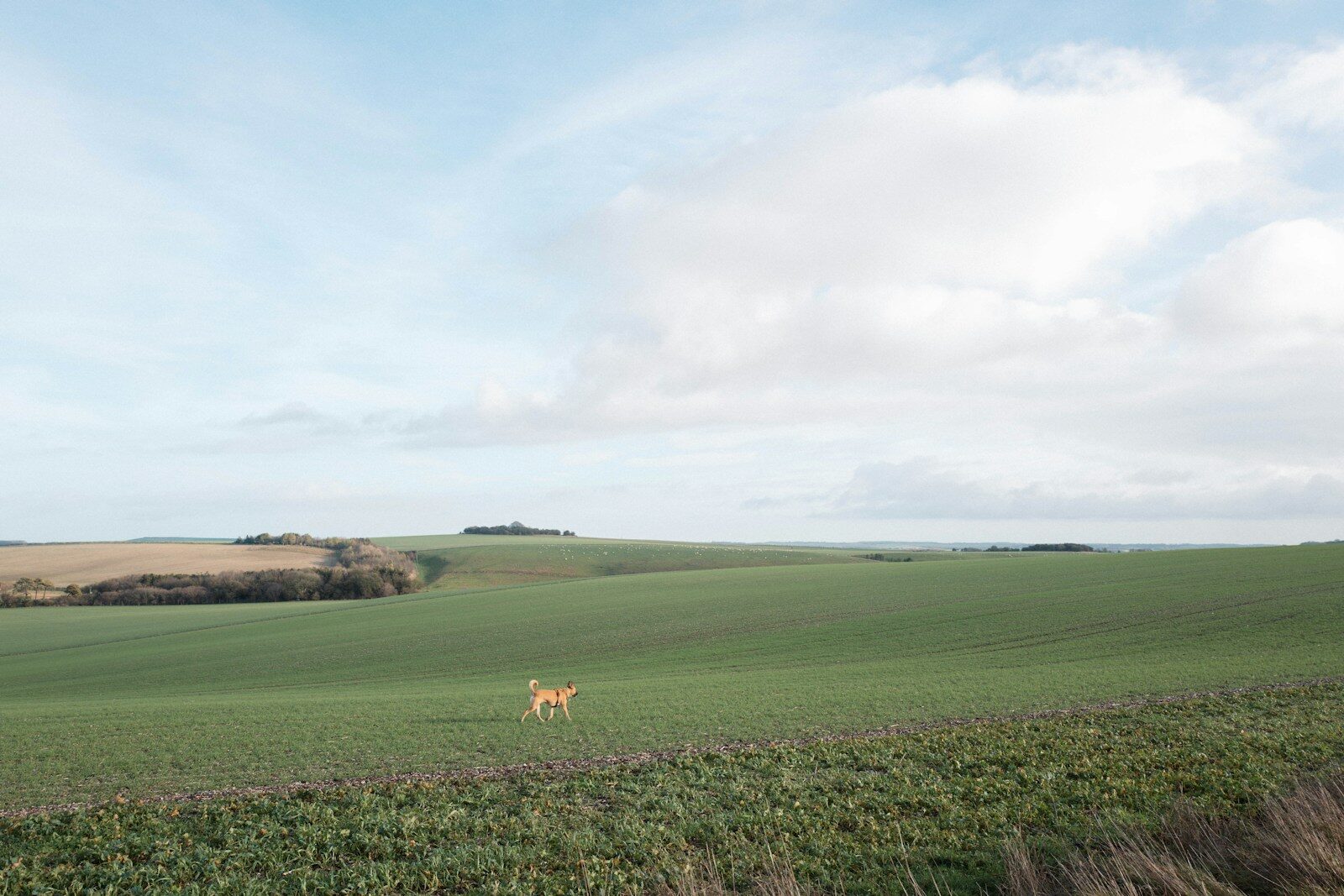
Sheffield’s Green Party voted for the Local Plan, knowing it included limited greenbelt development. Now they are being attacked for it by a campaign that has found itself aligned with Reform UK; raising questions about whose interests the opposition actually serves.
Sheffield’s local elections on 7 May arrive against the backdrop of one of the most charged planning disputes the city has seen in years. At the centre of it is the Sheffield Local Plan, a long-overdue blueprint for housing and development in the city up to 2039, and a campaign against it that has put the Green Party in an uncomfortable position.
The Local Plan, backed by Labour and all 14 Sheffield Green Party councillors at its previous vote, would see 3,529 homes and 130 acres of employment land built across 14 green belt sites, alongside three schools and two graveyards. The headline figure is large, but the context matters: the first plan Sheffield City Council presented, in 2023, was for 34,640 homes with none on the greenbelt. The planning inspectorate said it was not enough, and the council had to provide 3,539 more.
The S35 postcode, which covers Chapeltown, Ecclesfield and Grenoside, has borne a disproportionate share of what is proposed. Grenoside could see 945 homes across three sites; Chapeltown and Ecclesfield would bear the brunt of employment land development, with three proposed sites and 549 homes. In stark contrast, the “wealthy west” of the city will be virtually untouched, with Dore set to get just 82 homes and Lodge Moor 258.
That disparity is legitimate and worth scrutinising. Campaigners have been making it loudly. The Sheffield Greenbelt Alliance, a coalition of residents groups fighting the plan, has accused the Green Party of not standing by its own national manifesto, which declared that building homes must protect green spaces.
The Green Party’s response is that the charge misunderstands the mechanics of planning law. They argue that without an updated Local Plan, Sheffield is open to the whims of big developers, who can put any land forward for development. The stakes are not abstract: in Rotherham, where councillors had to start from scratch on their Local Plan, the target for new homes was doubled. In Sheffield, having to redo the plan could mean a requirement for over 13,000 homes on the green belt rather than 3,539 as proposed. The Greens’ position, in short, is that voting against the Local Plan does not protect the greenbelt; it puts more of it at risk.
Where this story gets more complicated is in who else is opposing the plan. Reform councillor John Booker has also opposed the Local Plan. Booker, Sheffield’s first and currently only Reform UK councillor, previously served as a UKIP councillor for West Ecclesfield from 2014 to 2019; the ward directly adjacent to the communities most affected by the proposed greenbelt sites. His opposition to the Local Plan puts him, on this issue, in the same camp as the grassroots campaign groups in S35.
The Green Party has not been shy about pointing this out. In a statement on their website, they described voting against the Local Plan as a “dereliction of civic duty” by parties seeking short-term electoral gain, and noted directly that not implementing the Local Plan to win votes on the issue would mean short-term gain and long-term pain for the Sheffield green belt.
The concern is a structural one. Reform UK’s national position on housing and planning leans firmly against regulation and in favour of deregulation; a policy environment in which developers tend to win, not communities. Reform says it will protect the countryside and prioritise only brownfield sites for development; but this was not an option in the recent vote on the Local Plan. Without a Local Plan, developers would have a free-for-all, with inappropriate developments proposed anywhere on the greenbelt.
For working-class communities in S35, that distinction is not academic. The greenbelt sites being earmarked for development in Chapeltown and Ecclesfield sit in postcodes that are already among the more disadvantaged in Sheffield. The Sheffield Greenbelt Alliance’s own spokesperson has noted that the local plan proposes most of the housing be built in already-disadvantaged areas with a large proportion of low-cost housing, with little building planned for the affluent neighbourhoods. The Greens agree on the unfairness of the distribution; they simply dispute that rejecting the whole plan is the answer.
At a hustings event earlier this week hosted by the Sheffield Star, candidates from Labour, the Liberal Democrats, the Green Party and the Trade Unionist and Socialist Coalition took part. Candidates from the Conservative Party and Reform UK were invited but did not attend. That absence is not insignificant. Showing up to argue a position is different from declining to defend it in public while benefiting from the controversy it generates.
The Green Party candidates across Sheffield, including in the wards covering Chapeltown, Ecclesfield and Grenoside, have maintained that their Local Plan vote was the most protective option available within a system the Labour government in Westminster has imposed. Councillor Angela Argenzio argued that those who opposed the Local Plan while failing to come up with an alternative put all green belt sites in Sheffield at risk of development by private companies, and that if there is no Local Plan, the land will still be up for grabs.
Residents in S35 have every right to be angry about greenbelt development, and their campaign has been substantial; as many as 500 people turned out in Chapeltown and Grenoside in June last year, with two marches converging on St Mary’s Church in Ecclesfield in a significant show of community opposition. That anger is understandable. But as May 7 approaches, voters deserve a clear picture of which parties are offering credible alternatives, and which are simply positioning themselves against a difficult decision they had no hand in making.